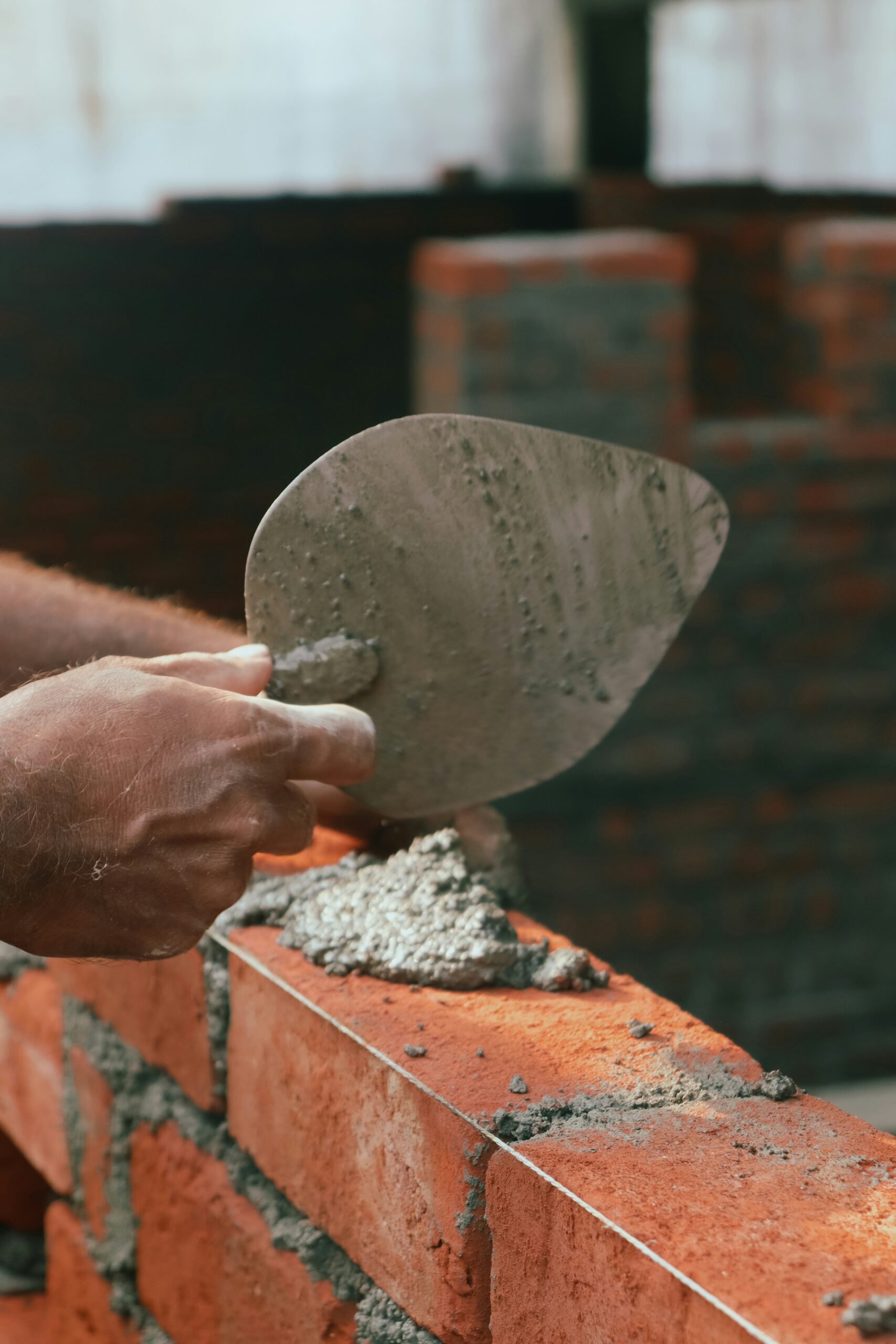
What is masonry SEO?
Masonry SEO is search engine optimization applied specifically to masonry, stucco, and EIFS businesses, so you rank when someone nearby searches for masonry contractor near me, stucco repair, brick repair, or chimney rebuild. It blends local SEO, which targets the Google map pack, with on-page SEO that proves to Google exactly which masonry services you offer and where.
The opportunity is unusual. Masonry is a craft trade where most competitors compete on referrals and word of mouth and almost nobody invests in search. That means the bar to rank is low and the rewards are high for the contractor who shows up. Building that visibility is the core of our masonry and stucco marketing work.
Why is SEO such an opening for masonry contractors?
Because the field is wide open. Nearly half of all Google searches now carry local intent (BrightLocal), yet in most markets only a handful of masonry contractors have a fully built Google Business Profile, let alone service-specific pages or a steady review stream. When few competitors invest in search, ranking is less about out-spending and more about simply doing the fundamentals consistently. A masonry contractor who treats SEO as a system, not a one-time setup, can lead the local map in months.
How do masonry and stucco contractors rank in local search?
Google ranks local results on three public factors: relevance, distance, and prominence (Google Business Profile Help). For a masonry contractor, that translates into five concrete moves.
1. Build a complete Google Business Profile
Set your primary category to Masonry Contractor and add the secondary services you perform, such as stucco, EIFS, chimney repair, retaining walls, and stone veneer. Define an accurate service area, list real hours, and post fresh project photos regularly. Masonry is intensely visual, so a profile full of before-and-after stonework does double duty as proof and as a ranking signal.
2. Turn your craftsmanship into website content
Most masonry sites are a single thin page. That is a missed opportunity. Build a page for each service, such as brick repair, stucco and EIFS, chimney rebuilds, and hardscaping, plus a page for each town you serve. Pair each with real photos and short project descriptions. This gives Google specific content to match against a specific near-me search, which a generic homepage cannot do.
3. Collect reviews on a schedule
Reviews drive prominence and trust at once. About 75 percent of consumers always or regularly read reviews for local businesses (BrightLocal). For a referral-heavy trade like masonry, reviews also turn private word of mouth into a public, searchable asset. Ask every satisfied homeowner and every general contractor you work with, and respond to each review you receive.
4. Make your business information consistent everywhere
Your name, address, and phone number should match exactly across your website, Google, Bing, and any directory or supplier listing. Inconsistent details confuse Google about your legitimacy and suppress your ranking. This citation cleanup is tedious and one of the highest return-on-effort tasks in masonry SEO.
5. Earn a few real local links
Links from local suppliers, manufacturer certification pages, a chamber of commerce, or a general contractor you partner with all signal real-world prominence. You do not need many. A handful of genuine, relevant links beats any bulk directory package.
We audit your Google Business Profile, reviews, website pages, and local listings against the masonry and stucco contractors ranking above you, and give you the fixes in priority order. No shared lead lists, just an owned local presence.
Does masonry SEO help with general contractors, not just homeowners?
Yes, and this is often overlooked. A large share of masonry work flows through general contractors, builders, and architects who search online to vet and shortlist trade partners. When a GC searches for a reliable mason or stucco sub in a given area, the same local SEO signals that win homeowner jobs also put you on their radar. A strong profile and a portfolio of completed commercial and residential work tells a GC you are a safe bet before they ever call.
Will masonry contractors show up in AI search?
Increasingly, yes, and the foundation is the same. When a homeowner asks ChatGPT or Google AI Overviews for a good mason nearby, the AI tends to name two or three businesses with complete profiles, strong recent reviews, and consistent information. ChatGPT alone passed 800 million weekly users in late 2025 (TechCrunch). For masonry, where so few competitors have done the search fundamentals, getting cited by AI is an especially cheap early advantage.
How long does masonry SEO take to work?
Because masonry SEO competition is light in most markets, results often come faster than in crowded trades. A realistic arc runs from foundation to a steady pipeline over a few months.
Frequently asked questions
Is SEO worth it for a small masonry or stucco contractor?
For most, yes. Masonry has unusually soft search competition because few contractors invest in it, so the fundamentals can rank you faster and cheaper than in crowded trades. The result is exclusive near-me inquiries you own, rather than shared leads resold to competitors.
What is the difference between masonry SEO and masonry marketing?
Masonry SEO is specifically about ranking in search, including the Google map pack and AI tools. Masonry marketing is broader and includes referrals, portfolio photography, general-contractor relationships, signage, and ads. SEO is one powerful channel within the wider marketing mix.
How do I rank my masonry business in the Google map pack?
Build a complete Google Business Profile with the Masonry Contractor category, post project photos regularly, collect fresh reviews on a schedule, publish service and town pages on your website, and keep your business information consistent across the web.
Does masonry SEO reach general contractors too?
Yes. Builders, GCs, and architects increasingly search online to find and vet trade partners. The same local SEO signals that attract homeowners also put you in front of commercial buyers looking for a reliable masonry or stucco sub.
How long before masonry SEO produces leads?
Because competition is light in most masonry markets, contractors often see map-pack movement within two to three months, followed by a compounding stream of exclusive inquiries as reviews and pages mature.
Sources
Every stat and authoritative claim in this post cites a primary or industry source. Open any link to verify.
Related: Best Marketing Agency for Home-Service Contractors in 2026: A Buyer’s Guide